Wedding Dress Sampling Costs and What Your Development Fee Should Cover
A wedding dress sample fee is meaningful only when it is tied to a defined development scope. Before approving the amount, establish what work is being purchased, which physical and digital deliverables you receive, what revision work is included and what can trigger an additional charge. The lowest sample fee may cover a different task from the next quotation.
For a bridal brand or designer, the goal is to buy a useful development outcome: a sample that answers specific design and fit questions, supported by the records needed for the next agreed stage. This article does not offer an industry price range or quote SOURCEBRIDAL’s fees. It explains how to assess the scope behind a proposed fee.
First identify what kind of sample you are buying
Purchasing an existing collection gown for a boutique is different from paying to develop a new design. The first may be a finished garment purchase. The second can involve interpreting a design, sourcing materials, creating a pattern, testing construction and making revisions before a finished sample is approved.
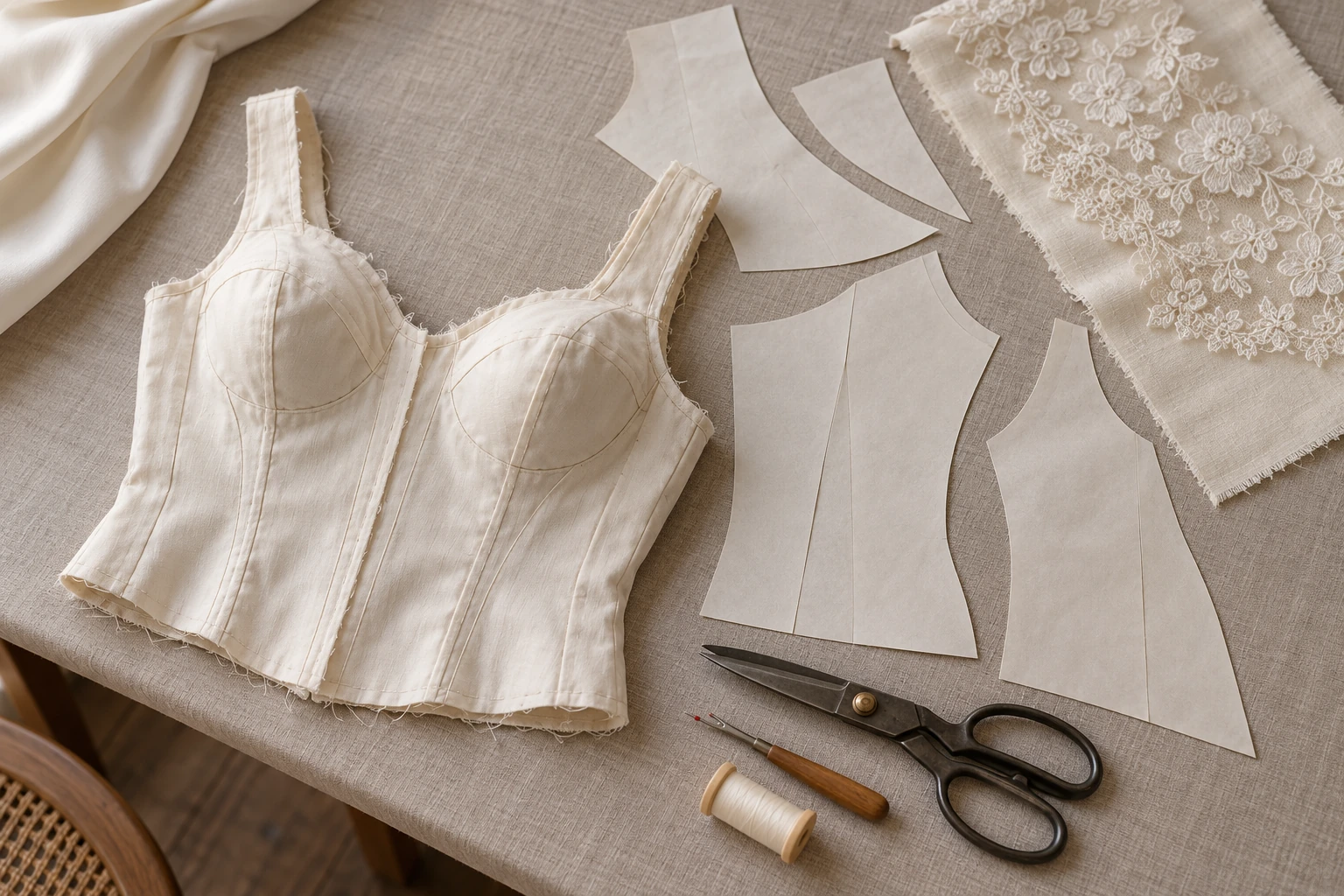
Also distinguish a toile or fit sample from a presentation sample. A toile may be intended to test proportions and structure using substitute material. A presentation sample may be intended to show the proposed fabric and decoration. Neither description is sufficient on its own: write down what the sample must demonstrate and which details it will deliberately leave unresolved.
Published development packages illustrate the difference. The Evans Group lists pattern work, a first sample, a fitting, pattern adjustments, a final sample and specifications within its pattern-and-sample services. Its separate design services describe other creative and technical work. These are examples of that supplier’s offer, not entitlements attached to every sampling fee.
Ask for a scope breakdown before approving the total
A useful breakdown does not require the supplier to disclose its internal costing. It needs to identify included work and potential extras so both parties understand what the quoted amount buys.
| Work area | Scope to confirm | Possible separate charge to clarify |
|---|---|---|
| Design interpretation | Agreed reference, technical drawing and unresolved design decisions. | New creative proposals or additional design versions. |
| Materials and decoration | Which fabric, lining, support and embellishment are included in the sample. | Special sourcing, minimum material purchases or custom decoration trials. |
| Pattern and first sample | Whether a new or adapted pattern is used and what the first sewn sample tests. | A separate toile, alternative construction or extra sample size. |
| Fitting and revisions | Feedback format, included adjustment work and whether another sample is sewn. | Additional fitting rounds, new design changes or repeated courier shipments. |
| Final deliverables | Agreed final sample, specification record and any files to be handed over. | Grading, editable pattern files, extra copies or additional documentation. |
| Delivery and administration | Packing, shipment arrangements and any relevant payment terms. | Courier fees and any destination charges excluded from the quotation. |
For a complex bridal bodice, ask whether the quoted sample includes the proposed internal support and whether decoration placement is tested physically. A plain fit sample can answer some construction questions while leaving the appearance of dense lace or beading unresolved. Decide which uncertainties must be resolved before committing to the next stage.
Define a revision round in practical terms
“One revision” can refer to a pattern adjustment, an updated drawing, a fitting discussion or a newly sewn gown. Those are different deliverables. Confirm what is changed, what evidence you receive and whether the revised garment is shipped or reviewed by photographs and measurements.
Consolidate feedback into one versioned record with marked images and a clear list of accepted changes. Ask the developer to confirm the interpretation before starting the next stage. Separate required corrections from new preferences, while agreeing how disagreements about that distinction will be resolved.
For example, suppose the accepted brief specifies one neckline and the first sample uses another. That calls for reviewing conformity with the agreed brief. If the buyer approves the specified neckline and then requests a different one, that is a new design decision. This is a hypothetical example, not a SOURCEBRIDAL case or a statement that either change is automatically free.
Avoid approving a vague promise of “revisions included” without identifying the work. Conversely, do not assume every change requires a complete new gown. Some questions can be resolved through a pattern update or a focused construction trial if both parties agree that the evidence is sufficient.
Confirm what leaves the development room
A physical sample does not automatically come with editable patterns, graded sizes or a complete technical pack. Ask for a deliverables list and distinguish file delivery from permission to use, modify or transfer those files. Ownership and use rights should be expressly agreed; a payment receipt alone is not a clear handover specification.
Techpacker’s dress technical-pack guide describes specifications and a bill of materials as part of a production document. That supports asking which records accompany the sample, rather than assuming the sewn garment communicates every approved material and dimension.
The Evans Group also lists 3D development within its design services. If a quotation includes a digital visualization, clarify whether a physical sample is also included. A rendering, a fit prototype and a finished sample answer different questions and should be named separately in the scope.
Compare outcomes rather than two unexplained totals
Consider a hypothetical comparison without assigning invented prices: one offer includes a first sample only; another includes a first sample, agreed pattern revisions and a final sample. These offers are not comparable until the buyer establishes whether both will resolve the same design and fit questions.
If a developer offers to credit sampling fees against a later production order, ask which fee qualifies, what order conditions apply and whether the credit expires. Treat it as that supplier’s written commercial term. It does not make development work cost-free before the qualifying conditions are met.
Do not choose extra deliverables merely because they are available. A boutique evaluating an existing style may not need editable production files. A brand planning repeat production may need a more complete handover. Buy the scope that supports the next decision and the intended production relationship.
Send a short scope request with the design brief
For a sampling discussion with SOURCEBRIDAL, prepare the design reference and intended purpose of the sample, then request confirmation of the available development service. A concise scope request should cover:
- The exact sample stage and the questions it must answer about fit, construction and appearance.
- Included pattern, material, decoration and sewing work, with substitutions clearly identified.
- The feedback process, included revision work and the evidence supplied after changes.
- The physical sample and documented information to be delivered, plus any agreed file-use rights.
- The items excluded from the fee, shipment arrangements and any conditional production credit.
Resolve those points before approving the development fee. The purchasing decision then becomes concrete: whether the proposed work produces enough reliable information and usable deliverables to move your design forward.